In commercial real estate, visibility isn’t the same as interest. A high volume of website traffic or generic engagement metrics might look good on a quarterly report, but they don’t always tell owners who is actually considering a space — and how seriously they’re evaluating it. This is where individual-level engagement moves from being a nice-to-have to a strategic advantage.
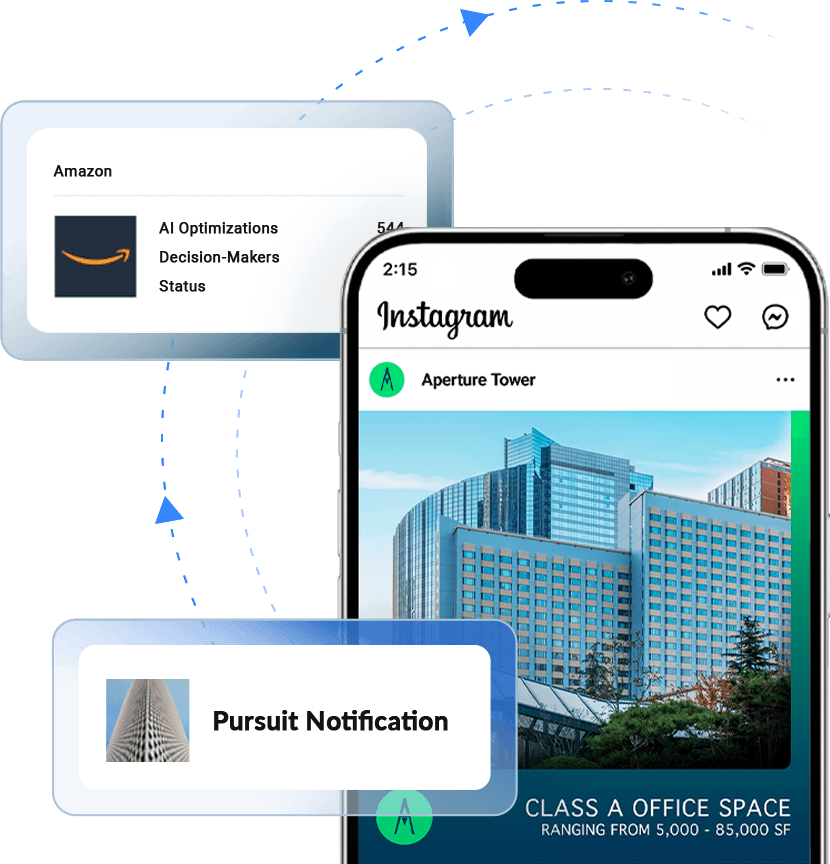
Traditional analytics tools like Google Analytics can show visits, pageviews, and session duration, but that’s often as far as the story goes. It paints a picture of activity, but not intent or demand. With advanced analytics integrated into AI-native CRE platforms, owners and leasing teams can go deeper, identifying which companies or decision-makers are visiting, what they’re engaging with, and how often. This transforms a passive visit into an actionable signal that aligns more closely with leasing outcomes.
Why Individual Engagement Matters in Leasing Strategy
At a high level, engagement data should answer questions like:
- Which companies or brokerages are repeatedly visiting property pages?
- How deeply are they interacting with key leasing content?
- Are these behaviors consistent with in-market intent?
When teams can identify who is returning, what they’re looking at, and how often they’re doing it, entire strategies shift. Owners begin to understand not just that there is demand, but where it’s coming from. That’s valuable because commercial leasing is competitive, and visibility alone doesn’t differentiate your asset. Relevance and timing do.
Platforms with built-in visitor identification and engagement insights help bridge that gap. They transform anonymous sessions into profiles that link to real firms or decision-makers. Teams can then route those insights back into CRM workflows, follow up proactively, and tailor outreach to prospects who are genuinely in-market.
From Data Collection to Strategic Action
This is more than reporting — it’s strategy. Showing owners just the numbers occasionally doesn’t drive confidence. Showing them individual interest does. Instead of waiting until a tour is booked or a broker calls, teams can start conversations early, anticipate demand shifts, and surface latent opportunities.
Importantly, this doesn’t require owners to interpret raw data themselves. Analytics should come in digestible formats that connect directly to leasing priorities:
- Alerts when a target account shows repeated engagement
- Summaries of who has looked at key leasing pages
- Insights tied to CRM activity for follow-up
This level of insight helps reposition analytics from a tactical report to a strategic asset, one that builds confidence, informs decisions, and shortens leasing cycles.
Closing the Gap Between Visibility and Demand
Owners often hear “we showed your property,” but very few tools historically showed who saw it or why it mattered. Modern engagement analytics change that. When individual interest signals are surfaced early, leasing teams can act decisively, not reactively. That’s how digital strategy becomes a real asset in the leasing cycle.
To learn how AI-driven analytics can help you identify genuine leasing demand, explore RealtyAds’ approach to website analytics and visitor intelligence.